WHY SWITCH TO LED LIGHTING?
Dec. 31, 2024
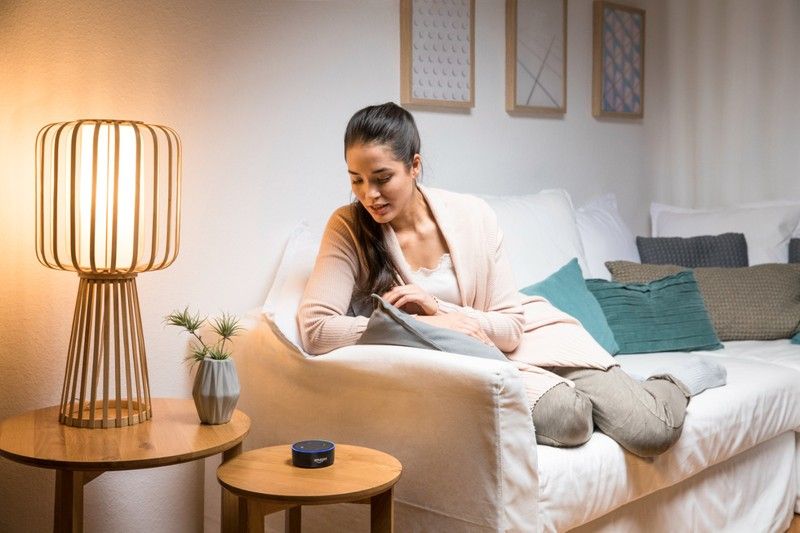
Because it's interesting to change conventional lighting for LED lighting
Households are responsible for the energy consumed in our country, and according to the Consumers' Union, the figure is close to 20%. A Spanish household consumes an average of 9,922 kWh, which is why it's so important that we consider using energy-efficient light bulbs or LED technology as a way to save.
LED lighting is very important in terms of energy savings. We find technological products such as lamps, light bulbs, and fluorescent tubes that produce considerable savings on the electricity bill, even though they may initially be somewhat more expensive.
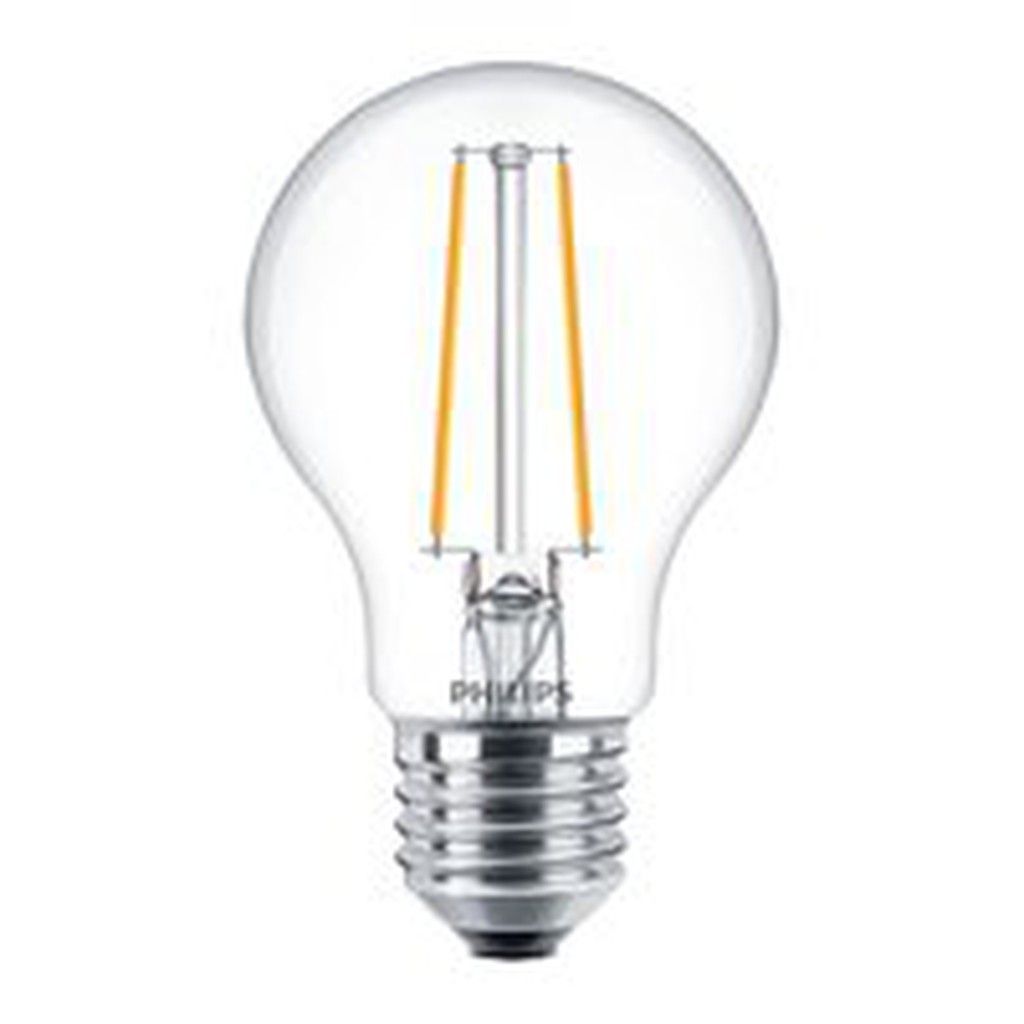
LED bulbs are lamps made up of diodes that emit light; hence their name, Light-Emitting-Diode. They respond instantly to their maximum brightness when switched on and have a much longer lifespan than other types of bulbs.
We recommend using these products in the following situations:
When your installation includes dichroic spotlights.
If you are using incandescent or halogen bulbs.
When you have energy-saving lamps that are constantly being switched on and off. This not only damages them but also significantly increases your overall energy consumption.
When using halogen spotlights or if there is little natural light in your workplace or home.
Key aspects of LED lighting
LED bulbs have a limited lifespan, but their technology is very durable. It's important to note that not all bulbs are of the same quality. They typically stop working when the electronic component burns out. The solution is to use the warranty from the company where they were purchased; otherwise, you will have to pay for the repair.
Energy savings will depend primarily on the number of hours the LED bulbs are switched on. Therefore, the more hours they are on, the greater the guaranteed savings. The type of bulbs replaced is also important because, generally speaking, an LED bulb consumes three times less energy than a compact fluorescent bulb and eight times less than an incandescent or halogen bulb. According to the Institute for Energy Diversification and Saving (IDAE), the price of a kilowatt-hour (kWh) per year in Spain is set at €38. In this regard, we highlight that for every 1000 watts (1 kWh) of power reduced, we save €38 on annual energy consumption. Finally, it should be noted that the main difference between LED and compact fluorescent bulbs is that the former do not contain any toxic elements and achieve 100% efficiency from the very first use. Meanwhile, energy-saving light bulbs must be recycled and are treated as hazardous waste.
Post navigation
Other related articles
 May 21, 2025
FEWER MOSQUITOES THANKS TO ACTINIC LIGHT BL
Light sources for attracting mosquitoes outdoors and indoors March 28, 2025
ALEALUZ AND THE ENVIRONMENT
At Alealuz, we are committed to recycling. That's why we not only … Feb. 3, 2025
Lighting for warehouses, garages, industrial buildings, etc...
Lighting for areas such as parking lots, warehouses, industrial premises, etc... Nov. 20, 2024
LIVING ROOM LIGHTING
The importance of good lighting for the living room Nov. 8, 2024
Receive our news