MISCONCEPTIONS ABOUT LED LIGHTING
False myths about LED lighting
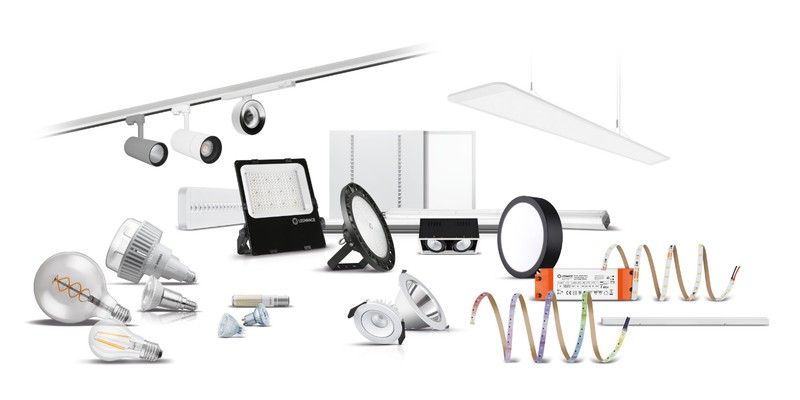
The lack of accurate information, conflicting ideas, and the strategies of market competitors… among other things, lead to a lack of knowledge and doubts about the new LED technology. And we say “new” because since the diode lighting system emerged more than a decade ago, the situation has changed considerably.
Dispelling False Myths:
• High price: It is true that the first LED bulbs manufactured were very expensive. This always happens when a new product enters the market. The costs of innovation and small production runs drove up the final price. But currently, LED lamps are very affordable thanks to mass production and the latest advancements.
• Not all LEDs are the same, despite what many believe. While it is true that the LED lighting system is the same, there is a wide variety of qualities. Durability, power, lumens, materials… will not be the same in a €1.50 light bulb as in one that costs €3.50. It is advisable to carefully read the product specifications and trust brands with a good reputation.
• Disadvantages of blue light: White/blue or cool light decreases the secretion of melatonin, "the sleep hormone," which induces sleep. This does not mean it is unhealthy light, as it is highly recommended in study areas, kitchens, hospitals, offices, warehouses, etc., but it is discouraged in homes, rest areas, and bedrooms. However, to address this issue, lighting manufacturers are already marketing LEDs without blue light-emitting diodes.
• No magnetic emissions: An LED lamp emits magnetic fields, but the reality is that its emissions are significantly lower than those emitted by traditional lighting. With the added advantage that LED bulbs do not emit UV rays, making them healthier than their predecessors. • LED bulbs do not generate heat: All energy emits heat, but LED technology generates much less heat than traditional bulbs. • LED bulbs are brighter: The amount of light they emit actually depends on their wattage, which is measured in lumens. However, it is true that to obtain the same amount of light (lumens), fewer watts (W) are needed, which also represents a saving. • Problems with light pollution: Due to a lack of information about the recommended wattage, people tend to choose bulbs/lamps with more lumens than they actually need, resulting in excessive light that is bothersome at night.
• They don't wear out: They do eventually wear out like everything else, but their lifespan is longer compared to traditional bulbs under normal conditions. Their durability will depend on usage, environmental conditions, and how the bulb is treated. They have the enormous advantage that if one of the many light-emitting diodes fails, the rest can continue to function perfectly.
Other related articles
 Feb. 3, 2025
Lighting for warehouses, garages, industrial buildings, etc...
Lighting for areas such as parking lots, warehouses, industrial premises, etc... Dec. 31, 2024
WHY SWITCH TO LED LIGHTING?
Because it's interesting to change conventional lighting for LED lighting Nov. 20, 2024
LIVING ROOM LIGHTING
The importance of good lighting for the living room Nov. 8, 2024
CHRISTMAS LIGHTING FOR BUSINESSES
Christmas lighting to decorate shops Oct. 2, 2024
Receive our news